
Challenge
Enterprise tools grow over years and across teams. The result: deep navigation, long forms and inconsistent patterns, used every day by people who simply need to get work done. Friction compounds at that scale.
What I did
- Map what existsBring clarity first: what's there, where users struggle, what has to work together. Align stakeholders on one picture.
- Build foundations that scaleShared rules for component behaviour, information structure and interaction, so teams can extend products without losing clarity.
- Bring AI into real workflowsAssistants that guide through long processes, AI-supported steps inside service workflows, and clear rules for how AI summarises, recommends and clarifies.
- Design AI behaviour for trustHow an agent responds, explains its decisions and fits into existing tools without disrupting established workflows.
- Enable the teamAn internal AI toolkit with prompts for research, ideation and UX writing, plus guidance on where human judgement stays essential.
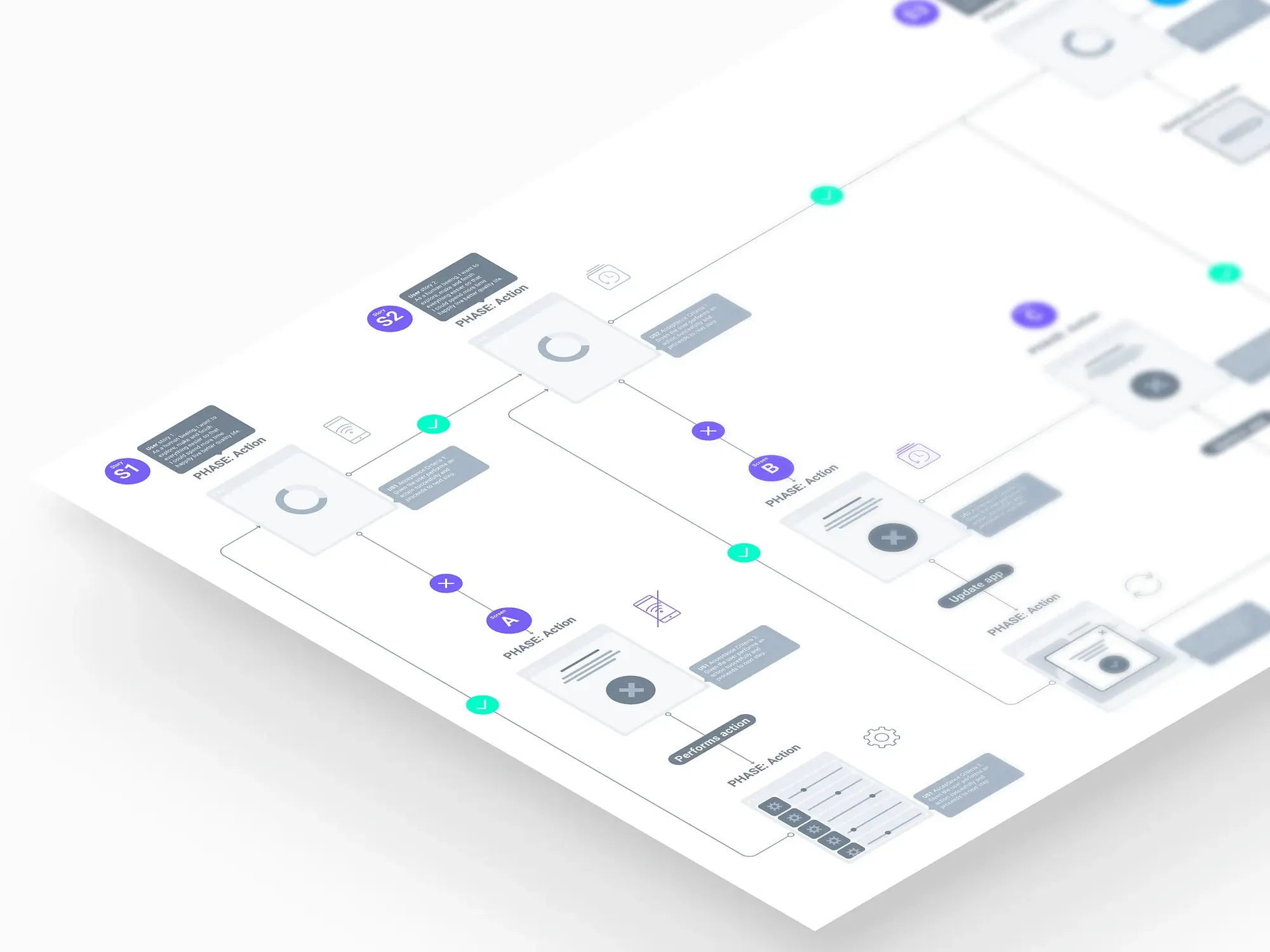
AI that earns trust
AI only becomes valuable when people trust it. Every concept is built transparency-first: employees should always understand why something happens.
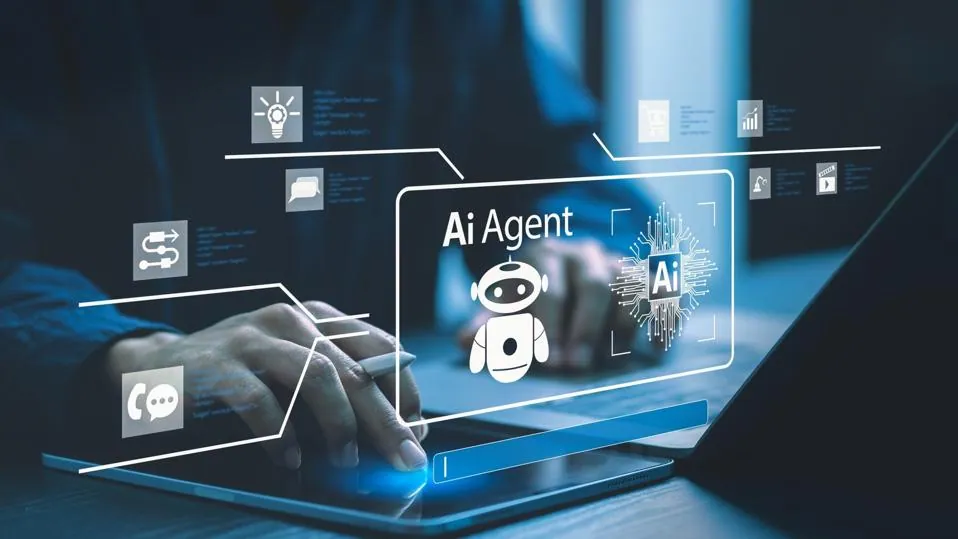
How I connect AI to Jira, Confluence, GitHub and our codebase is documented on the AI page. AI workflow →
Impact
One coherent experienceFragmented processes turned into one consistent experience across internal platforms.
Less friction, dailyRestructured navigation, simplified form sequences, dashboards that make data readable.
Foundations teams reuseDesign rules that save time and reduce inconsistencies as products grow.
AI with clear guardrailsAssistance placed where it reduces manual effort or decision complexity, not everywhere.