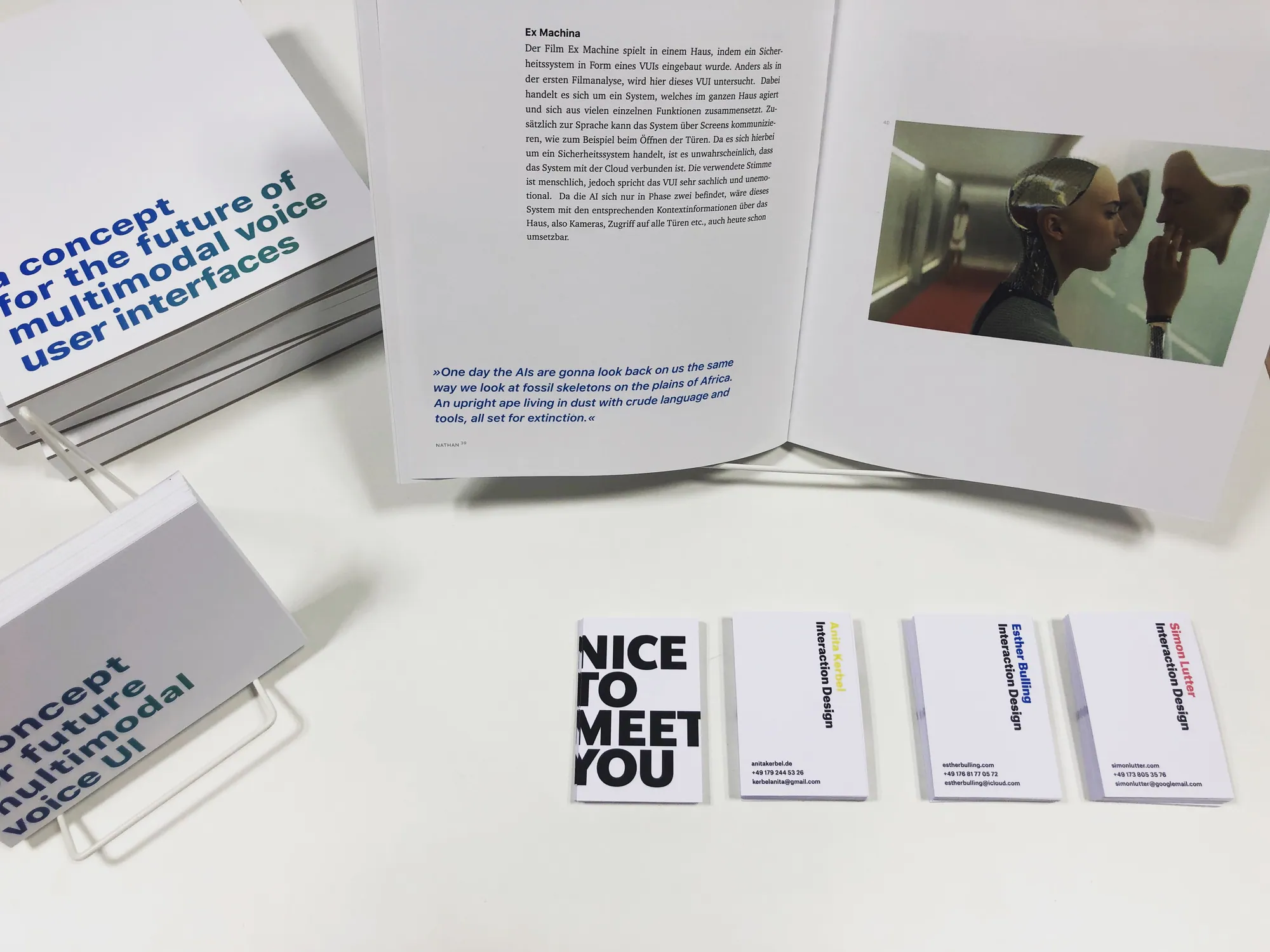
Challenge
In 2018, Alexa, Google Assistant and Siri couldn't solve complex tasks; they stayed toys in the living room. We asked: how must a voice assistant work to be useful in everyday computer work?
A good assistant needs integration, intelligence and context, not just a microphone.
The model
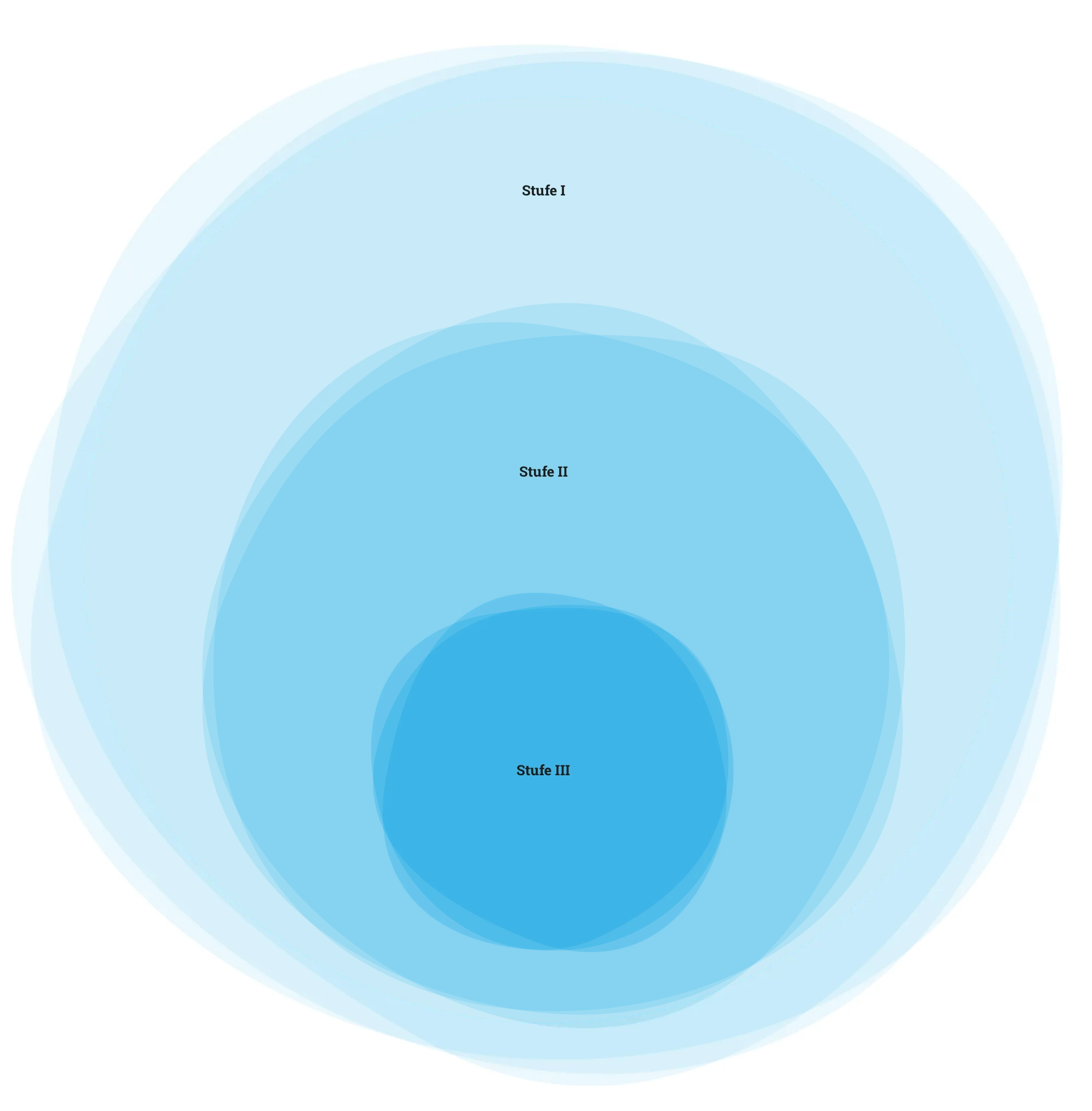
We defined four parameters: deep integration into the system, real AI (NLP and personalisation), one assistant across all devices, and context knowledge. Then we described three stages of access:
- Stage I · External accessThe assistant can open, send and manage files and applications.
- Stage II · Internal accessIt understands the content of files and apps, not just that they exist.
- Stage III · Full accessIt processes and interprets content and structure on its own and actively supports the user.


Why it matters now
Six years later, the Model Context Protocol gives AI agents exactly this kind of access to files, tools and content. My daily workflow uses stage II–III: with MCP servers configured, Claude reads and writes in Jira, Confluence and GitHub, and I approve what gets published.
See how the thesis became my working practice. Thesis → practice →